
EP. 25 · Nov 9, 2026 · 84 min
AI is a democracy, not a person.
AI Is a Democracy, Not a Person: USC Prof. Robin Jia on AI Interpretability, Policy & Risk
Robin Jia · Assistant Professor of Computer Science, USC Viterbi
About this conversation
Everyone talks to LLMs like they're people. Prof. Robin Jia, who has been studying them since before ChatGPT existed, says that's the wrong picture: inside, an LLM works more like a democratic society, where parts of the model vote, disagree and sometimes fight over every word.
On Episode 25 of 18VC, Philip and Corbin sit down with Robin Jia, computer science professor at USC Viterbi and head of the ALLEGRO Lab. They cover what's actually happening inside the black box, why copyright law may not save creators, the risks Anthropic flagged in its S-1, and what students should do about AI eating entry-level work.
Highlights
- The "democratic society" model of an LLM: attention heads writing to a shared bulletin board and voting on the next word, and why the experts don't always win
- How a hidden code on every New York Times page could prove a model trained on it, and why that still doesn't prove copyright infringement
- Why a model will double down on an answer it can tell is wrong, and what that means for auditing AI
- "They're really good actors": the case against AI consciousness, and the real-world harm of believing otherwise
- Why the OpenAI–Anthropic race is "a recipe for disaster," and the case for an FAA-style watchdog for AI
- Why he brought back oral exams in his machine learning class, and what he looks for in undergrad researchers
About Robin Jia

Robin Jia
Assistant Professor of Computer Science, USC Viterbi
Robin Jia is a computer science professor at USC Viterbi, where he leads the ALLEGRO Lab. His research focuses on natural language processing — how large language models work, how robust and interpretable they are, and what they memorize — work he started long before ChatGPT. He previously spent time at Facebook AI Research.
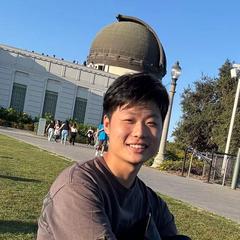
LinkedInHosts

Inside the conversation
Show notes
Transcript
Read the full transcript ↓
Host: good morning, good afternoon, and good evening to all of our audiences. Today, we're very excited to have Professor Robin Jia join us on the 24th oh, actually 25th episode of the 18VC podcast. And I am Philip, and today co-hosting the episode with me is Corbin. And I think the time we brought Professor Robin here is very good time because we have seen all these crazy things happening there. The most notable one is Anthropic is going for an IPO, which is a groundbreaking $2 trillion valuations. Yeah. And I think their message was twofold. One is they're saying that we are creating the company that would generate a huge amount of profits and for the shareholders. On the other hand, they're saying that we are concerned the AIs may destroy the mankind. So I think we are at a very good position on having this discussion. Also a little bit around what's happening in Anthropic also later during the conversation. And just a little bit more context about Professor Robin. He's the computer science professor at USC Viterbi. He has his own lab that's called the ALLEGRO. I'm not sure of the pronounce. ALLEGRO Lab. ALLEGRO Lab, yes. And he's been working on and researching on large language models and even before ChatGPT was there, I think started already around back in the 2017 days when professor was doing his PhD studies at Stanford. And I think he have a very good context about what's happening across all these years in the LLM areas and the broader just text natural language processing stuff. And we're so excited to have you here. And we would definitely would love to learn about the different topics you have been research about, and get your opinions on what's happening out there, and also some maybe suggestions for students at the end of the episode. Yeah.
Robin Jia: Thank you very much. I'm very happy to be here.
Host: Yeah. So I'm Corbin, as Philip mentioned, and I found out about Professor Robin Jia through Professor Dilkina. I reached out to her about doing the podcast, and she said, "I nominate Professor to do it." So Yeah. Amazing then I looked over his website and his research background, some of the papers he's published, and what the focus of his lab was, and I was like, "Okay this is going to be a great guest to get on." So we're very appreciative of you being here.
Robin Jia: Awesome. Yeah. Yeah. Thank you very much.
Host: Yeah. And I think we would generally start with a little bit of your path back to your days when you were still in school. Can you just share a little bit about your journey starting from maybe your undergraduate, say, Stanford, and then you do a PhD there, and you have some research experience at Facebook, I think. And then you join USC as a professor. Can you just walk us briefly across that journey?
Robin Jia: Sure, yeah. So when I started my undergrad, I wasn't exactly sure what I wanted to do. I think I had pretty broad interests. I was very interested in biology and chemistry, as well as computer science, as well as math. And actually for basically all of undergrad, the research that I did was basically me trying to fuse all these together and do computational biology work. So I did I guess primarily I worked in a lab that did a lot of computational genomics stuff. Trying to understand what different parts of the human genome do. And I think that stuff was really fascinating to me, but I think by the end of undergrad, I was a little burned out maybe by biology. And I think there's a lot of ways in which biology is super hard, and I think we might actually come back to that later because there's some interesting parallels today between studying AI and studying biology. Interesting. Yeah, but I think for biology, you really have to have the right experimental collaborators and everything to really make a difference. It's hard to sort of be a purely computational person and really make these big breakthroughs. And so I started my PhD. I was fortunate to be able to continue my PhD at Stanford, and I sort of knew I wanted to at least explore some other areas. And I had been interested in AI and machine learning for a while but actually none of my research was really kind of directly about that. But I was very fortunate to get to do a rotation with Professor Percy Liang, who became my advisor. So he's now sort of like a giant in machine learning and natural language processing. I had actually taken his class a couple years earlier as an undergrad, and it was really cool to start doing research with him. And I think immediately I just felt that natural language processing in particular was something that was super fascinating, right? I thought it was really interesting that so much of human knowledge can be encoded in language, and just it would be really cool and really exciting to be able to get some sort of computer system that can understand all of that, right? Maybe it could read all the books that were ever written and kind of put things together and try to make new discoveries, right? I think this was my thought around maybe 2014 when this was Oh, wow. Yeah. When the technology was very far Right from being able to do that, right? NLP systems didn't really work all that well. We had like. kind of okay machine translation systems. But yeah, the systems were very brittle. It was very clear that they didn't really understand language in any way. And that was sort of the environment in which I started my PhD. And then over the course of the PhD, I got to see the rise of deep learning in NLP. And there were multiple moments throughout my PhD where I was just very surprised that some new model had been able to do something that just a few months ago seemed like it would be really, really hard to get something to do. And yeah, so I don't know. It was a very exciting time to be in the field. During my PhD, a lot of my work was actually on what we called adversarial robustness. So the idea was basically well, I think the models at the time were doing all these impressive things, but in other ways, they still weren't really understanding what was going on in language. They were really just really good pattern matchers. Yeah. And so a lot of my work is actually trying to expose what were the sort of hidden deficiencies of these models. And could that point us towards ways of making them actually more robust, more reliable? And so that was a lot of the work during my PhD. And I did related work as well when I was You mentioned I did one year at Facebook Research, where I was able to sort of continue some of that work. And that also was how I started my lab at USC when I joined in 2021. Although I think it's sort of taken a bit of a turn since then. Yeah.
Host: And I think one very interesting topic, because you've been working in Facebook for one year, too. So how's your view on the industrial labs versus academic labs now?
Robin Jia: Yeah. It's a good question. So I guess I was at Facebook at a very particular moment in time. It was 2020 to 2021. And I think looking back, this was sort of like the golden years of industry research because So I was part of this lab called Facebook AI Research or FAIR, and FAIR was very well-resourced, and you could basically do whatever you wanted. There was a ton of freedom. So it operated, I think, very similarly to some sort of academic lab, but you just had a lot more money to Yeah buy a lot more GPUs. Right. So it was really quite a really nice time. From what I hear from folks, I think the last few years there's really been a big change throughout the industry where I think a lot of the focus is more on the immediate term gains of building the next generation of models quickly, pushing it out, and less tolerance maybe for this more exploratory research that I got to do at FAIR. Yeah.
Host: Is that also one of the reasons that you joined the academy instead of staying in the industry?
Robin Jia: Yeah, it's a good question. So I guess for context, I think for me it was always plan A to become a professor. So my one-year stint at FAIR was actually after I already got the job offer at USC. I basically deferred for one year. Which was pretty common for CS professors to do just to get a taste of what it's like in industry. Yeah. But I would say for me I've always enjoyed working with students and teaching as well as doing research. And I still think it's true that even compared to a place like FAIR in this sort of ideal time, I think you have an even greater amount of just academic freedom being at a university. And I think that's even more true today. So I think I really value that and just the ability to pursue whatever research directions seem most impactful to me. Yeah.
Host: And then Go ahead. one follow on my side would be because we all know these labs, frontier labs, they raise a ton of money. They have a lot of computing powers for these larger and larger models. Is it still true today that in academics you can kind of get similar resources to I'm not sure if it's correct word to say compete with these labs or you're just trying to look into different directions of what these guys are doing there?
Robin Jia: Yeah. I guess my approach has been to intentionally try to not compete with the labs and try to look for independent directions. Research areas where having that sort of academic freedom, having the access to various academic collaborators from other departments proves very valuable. So I think that's why, for example, I've been doing stuff related to AI and policy. We've been able to collaborate with various law faculty, also collaborated with folks at USC Marshall and the business school who think a lot about tech ethics and how businesses can set their own internal policies in an ethical way for their users. And yeah, ask some of these questions that might be somewhat critical of practices that are happening in these big companies.
Host: Yeah. So I think it's interesting though, because isn't there still a pressure in academia to I've never done a lot of academic research, but is there still a lot of pressure to publish a lot of papers and research and put it out there? Even though you might have more academic freedom, how does that relate to the pressure of maybe pushing out the latest model that people are going to use and make money off of?
Robin Jia: Yeah. So there's definitely pressure to publish, but I guess Being able to publish something is different from necessarily making the model that people are going to use and make money off of. If I think more broadly about what is the charge of academia, I think a lot of it is setting the stage for a lot of future development. So, I think industry is focusing on a pretty narrow kind of set recipe that we know works now, and they can sort of invest and scale In the short term scale that up. Yeah. In the short term, right. In the longer term, there are going to be all these different questions of how should we design the next generation of models. And also, for example, a lot of my work is also around how do we understand what's happening inside these models, which I think also has implications down the line in terms of the next generation of models we might want to build. It also has implications in terms of our ability to monitor these models and ensure they're behaving safely in a future world where they are even much more capable than they are today. Right. Okay. All right. Very good.
Host: So, you're running the AI Language Learning Generalization and Robustness Lab, ALLEGRO. How has the focus of the lab evolved across the years? So you started Yeah the lab in 2021 when Yes you became faculty. So how has that evolved over the past few years?
Robin Jia: Yeah, it's a great question. It was fun. I had a chance to reflect on this just this past summer, as I was invited to give a workshop talk at ICML, which is one of the biggest machine learning conferences in the world. I was invited by someone who, I think Or I guess maybe the workshop that invited me, I think, was very relevant to the sort of research I was doing in my grad school years, which was, as I mentioned, things about robustness and testing, oh, do the models really understand what they're doing and trying to poke holes in that. I would say, yeah, around 2021 or maybe a couple of years after that I feel like it started feeling less and less important to focus on that because the truth was that the models were getting extremely good. Yeah. And the questions in my head started shifting to kind of how do we show that the model is not doing this impressive thing to wow, the model is genuinely doing something impressive and how is it doing that. So I think that was the moment when I really shifted towards more can we better understand what's happening inside the models? Can we interpret the inner mechanisms, or can we understand what parts of the training data are contributing to various behaviors and so forth? But I'll also add that I think in the last couple of years, I've sort of, in some ways, gone back to my roots on the robustness and adversarial mindset. And now it's less so about whether the models understand language or not. I think they clearly can understand language very well, but I still think there's some value to a sort of adversarial mindset and I guess being very worried about reliability issues because there's now ChatGPT now has over a billion active users. And when you have such a large user base, there's a lot of things that could go wrong. We've seen some high-profile news stories, for example, about I think just earlier this week, there was this case of someone who basically with ChatGPT's help, sort of weaned herself off of her medication and eventually died from that. There's all these things where this is obviously a sort of rare event that happens, but it has very real consequences, and we need to sort of be trying to anticipate all these things that could go wrong when we're evaluating the models. Okay.
Host: Your work spans across different areas. I think I read on your page it's how LLMs work internally, copyright and policy implications of LLMs, and then some of the risk for using LLMs in high-stakes areas like medicine. What is the sort of thing that ties them all together for you? Is there a sort of Yeah essential theme of all that research Yeah research areas?
Robin Jia: It's a good question. I guess in my head, they do feel very tied together. I think basically I really want and hope that the rise of all this AI technology is really just beneficial for everyone at large, and I'm worried that in the current status quo, we're not exactly heading in that direction. It's not clear that we're heading in the right direction. So, I think the work on these high-risk domains is sort of saying, okay, can we surface some potential problems so that we can sound the alarm and hopefully have companies be thinking more about it and address that in the way they train and deploy their models? I think policy is a great potential tool to just enforce some sort of societally beneficial goals on Yeah these companies. And yeah, copyright is a great example because you see a lot of creative industries are really being disrupted by AI. And copyright is one existing tool that we have at our disposal to try to adjudicate what level of usage of human-written materials by the AI companies is actually okay. And then for the interpretability work I think the way that fits in is I think in order to do a lot of this work about understanding the risks of the models, we also just have to understand how they work Right in a very deep way. And moreover, I think if we understand how they work better, that'll also enable us to communicate better to the policy folks or just the public at large about what's going on with them. So yeah, that's how I think they all tie together. Yeah.
Host: I think that dovetails into my next question that we need to understand how exactly they work, not just think we understand how they work and perfectly understanding the risks that they might play and how they could act unpredictably in certain circumstances. So since the release of ChatGPT, a lot of innovation and hype in AI has been centered on LLMs. What is an LLM, just for the audience? Yeah. They hear the word all the time.
Robin Jia: Sure. Yeah. So LLM, I guess, is short for large language model. And I guess first, what is a language model? So language model is just a particular type of AI system that's trained to generate language. Right? So, and the way that almost all of the language models today work is in what's called an auto-regressive way. All that means is that in order to generate a whole document, they'll generate one word, and then they'll generate the next word, and then the word after that, and so forth. Right? So you're just generating words one at a time. And that's language modeling. And then I guess the large part just comes in because one of the main reasons that ChatGPT is as capable as it is today is just that the last several years have been dominated by this idea that if you just make your system bigger and bigger, and you get to train it on more and more data, that's just going to make it better at generating reasonable-looking documents. So that's why the largeness is so crucial. Okay.
Host: So, not just poetry, but all different types of texts, and now they're even being trained on video and audio and all that stuff, like AI models more generally.
Robin Jia: Yes. Yeah. So I guess for the language models, typically the companies are trying to scrape whatever data they can get from the internet. We're also seeing things like they're buying used books and scanning them, and then training on that. Not the most efficient way. Yeah. Yeah. But it's like, what do you do if there's no text of these books on the internet? You need some way to get a bunch of good text. Yeah, so they're really trying to get as much data as they can. And then, yeah, like you said more recently, we've seen these sort of fusion models where it doesn't only understand language, but it's also able to handle images or video or something. Usually, the way that's done is that you would first train a pure language model, and then you would have another phase after that where you would kind of try to merge in these additional modalities. Yeah. I see. Okay.
Host: So you talked a little bit about LLMs. What about the transformer architecture? That was supposedly part of the breakthrough that led to Right ChatGPT being this viably commercial product that AI hadn't really seen before, directly. Right.
Robin Jia: Yeah. So the transformer is this idea that came out in 2017. There was a paper by Google that sort of started this whole thing, and it's basically just a particular, what they call it, a particular architecture of a AI model, just basically means a particular kind of. It's a model with a particular structure to it that's designed for handling text. And really the main advantage of the transformer is that a lot of the computations inside the transformer can be very easily parallelized. So it's basically a very good fit for using a really large amount of compute, and you can split all your computation among all the different parts of your computing infrastructure and that enables you to do very large-scale training in not that much time, right, as long Right as you can buy enough computers. Okay.
Host: And then, so you talked about the large component of large language models. Is that kind of factor into the scaling law and where people thought the larger the model, the better it's going to perform, and we'll just keep scaling up the models and that'll kind of lead to AGI. Do you think we've kind of hit a wall with that where people are kind of scaling back and experimenting with smaller models? How has that kind of evolved?
Robin Jia: Yeah, it's a good question. So I guess maybe first just to explain, so these scaling laws are this empirical phenomena. You can think of it more like a scaling conjecture or something. But it's just this fact that you can basically make these plots of, on the x-axis, you can plot some notion of how much cost you put into training a model. It could be how much data you put into it, or just how big you make the model or some total dollar amount, let's say. And then on the y-axis is just some notion of how good your model is. And people just noticed that there were these very clean straight lines that you could draw. And once you have that, you can sort of extrapolate it to much larger amounts of compute. And it turns out that those extrapolations are surprisingly accurate right? Oh, wow. So that you can just investing more and more compute does make your model better and better. As for the question of is this hitting a wall it's a bit hard to speculate on this because so much of what's happening at the frontier right now is within these private labs. Right? Like OpenAI and Anthropic don't really share any details about what they're doing. But I guess my guess as to what's happening is that there's a limit to how much you can scale the traditional language model training because there's only so much data in the world that's easily Right. Exactly accessible, right? That's also why the companies are buying used books and scanning them and so forth, right? At some point you just run out of new data to use. And so you have to do something else to keep making your model better. It seems like perhaps what is happening is that there's more and more effort being placed on other types of scaling. So one is what people call test time scaling. So basically instead of investing more and more resources into. training your model, you can just run your model for longer and longer, or you can have a swarm, right? I guess that's one of the words that's in vogue these days, right? Instead of just running one copy of the model, you can run 10,000 copies of the model and have them all working on the same problem, and maybe they can delegate and try different strategies. So this is an alternative way to pour more compute into something and get better results out.
Host: Yeah. Yeah. So you're not necessarily able to scale the data anymore, which is crazy to say because there's so much data out there Right that humans have produced. Right. But you're scaling in terms of the number of models and whatnot and that's sort of the next phase Yeah. Right of scaling in some sense.
Robin Jia: So scaling number of models is one thing. I think the other thing that you can scale is that So we've been talking so far about using human-written data, right, human documents. But there is a second stage of training that's called reinforcement learning training. And in that phase, it's more like you just give the AI a bunch of scenarios and then it tries to solve it. Let's say you give it a math problem, right, and it tries to solve the math problem. And it's usually easier to check if the solution to the math problem is right or not than to actually come up with a solution in the first place, right? And so they can just train the model to try a lot of stuff, and then if it happens to produce a solution that's correct, then it can learn from what it did and keep going. Right? So the advantage of the RL training, reinforcement learning training, is that you no longer need human-written demonstrations of what the model should do. And so that's something that is in some sense, easier to scale because you don't hit that human data ceiling. Yeah. Okay.
Host: Is that saying that you can use maybe a generated data in the reinforcement learning phase, or.?
Robin Jia: Yeah. I guess the way reinforcement learning works is so you give the model some problem. It generates a bunch of different attempts. So these are called trajectories, right? So it generates a bunch of different attempts, and basically some of them will succeed and some of them will fail. And then the model basically is going to learn, "Oh, I should do the things that succeeded more than the things that failed." So, yeah. So in that way, it can learn from its own experience in some sense. Yeah.
Host: Yeah. I think we've been talking about LLMs as a black box because we always know what's the input, what's the output, but what's inside was kind of like a magic what people have been talking about. So how much have researchers been opening up the black box so far? Yeah. Do we already know what's happening inside?
Robin Jia: Yeah. This is a great question. And yeah, maybe just to go back to my kind of biology roots I would say that compared to something like the human brain, LLMs are not at all a black box. Right? The human brain's very hard to do experiments on it, right? It's like you have to drill a hole in someone's head to measure anything. Or maybe you can use some other animal as a proxy. But, yeah, generally it's very hard to figure out what's happening inside the brain. In contrast, it's actually very easy, at least, to measure stuff and run a lot of experiments on what's happening inside of a language model. Right? Because we have complete access to the computations. We know that what's happening when the model runs is some big set of matrix multiplications and some other relatively simple functions, and it's just the fact that you have many of these operations stacked together and it's learned from all this data that it can actually do something intelligent. But yeah, that gives us a lot of ability to measure what's happening in the middle of the model. So there's a lot of progress made on just, for example, kind of trying to figure out what is the model "thinking" about in the middle of making a decision on what word to generate next. There's also lots of cool things we can do where we can modify what's happening in the middle of the model to create a predictable change. So one sort of famous example that Anthropic did a couple of years ago now was they found a particular part of the model that basically corresponds to the Golden Gate Bridge, and then you can just kind of modify the model so that that thing is always set on. And then the model, no matter what you ask it, it will Bring you the Golden Gate Bridge change the topic to the Golden Gate Bridge. Yeah. So this is just one example of the sorts of things that we are capable of doing with our level of understanding. Yeah. Yeah.
Host: And I think you've been describing LLMs as kind of like a democratic society, which different components have their own I think you used the word "bulletin boards." And then the next word is based on these different parts of voting to get a kind of agreement on what will be next. Can you just elaborate a little bit more on that? Is that related what we call the MoE, mixture of experts where we have, I don't know, different parts. I'm not that familiar with that but maybe you can share a little bit. Yeah.
Robin Jia: No, that's a great question. Yeah. So I guess first maybe a little background. So I gave this talk at a couple different places, and I think the overall message I was trying to convey is that through this sort of interpretability work on understanding model internals one outcome, besides just. engineering benefits is that we can try to come up with new metaphors that explain what's actually happening inside the model. And the reason I want to do that is because I think there's a default metaphor which is that the LLM is like a simulated person. And this is useful in some ways, but I think it's also quite misleading in a lot of cases, and I would like to have better ways of thinking about the models. And so, yeah, I would propose this idea of thinking of the LLM as a democratic society, and this is anchored quite firmly on how these transformer models work internally. So the way transformers work is that when the model is deciding what's the next word to generate the processing basically happens through a bunch of layers, and each of the layers has a bunch of things called attention heads. Each attention head sort of operates independently of each other within the same layer, and they can look at different parts of the earlier words in the document and grab information and bring it back to the current point in time. And all of them basically the way they influence the final decision is they all just add some message, basically, to this, what's called the residual stream. So you can think of transformers like this. This residual stream, all these different parts of the model are just writing different things to add to the residual stream. And then at the very end, the sum total of everything in the residual stream is going to be used to decide what word happens next. And so yeah, I think there's a really clean way to think of this as like, okay, there are all these essentially individual workers, right? They contribute something to this bulletin board, as I called it. And the final answer really is just like you can think of it as a vote because each of the messages that the attention heads write, basically, you can interpret those as voting for some words and not for other words, and the word that eventually gets chosen is sort of whatever wins that final vote. Maybe I'll add that I think one reason I like this metaphor is that we've done a few different papers that basically show that the different parts of these models, or the different attention heads, they often disagree with each other. They just have very different specializations and abilities. So for example, you might see cases where a few attention heads are really doing the real work and figuring out what the right word is. The other ones are just doing something that's not very productive. And so then, whether the model ultimately does the right thing, basically is like do the experts sort of win Yeah or does the rest of the noise win, right? And then we've seen other cases where it seems like there's different parts of the model that are sort of fighting against each other. They're promoting opposite directions. And then again sometimes one side wins, sometimes the other side wins. Thinking about this as a society and thinking because in parallels to our society, we can understand, okay, there are these different factions. It's not always clear. It's not like our society has one view, right? It's like sometimes elections go one way, sometimes they go another way. Yeah. Right. There's a lot of complex dynamics, yeah. Yeah. There's no 100% vote for either person in elections. Right.
Host: So is it that the model is looking to the residual stream for each word that the attention heads all write a message to? And then kind of based on the sum total of that, how many of the attention heads are writing what messages, then it pulls that word, and then it kind of loops through again whenever it wants the next word. Is that sort of correct following the analogy?
Robin Jia: Yes. Yeah, exactly. Right. So you have this residual stream to decide the next word that all the attention heads write to, and then at the end of that process, the next word gets chosen, and then that gets fed back into the model, and then you have a new residual stream that's then deciding the word after that in an analogous way. Okay.
Host: I think that analogy is actually extremely helpful. Okay, awesome. So I appreciate that. And yeah, I think I got one more where I shift it to Corbin. So Could you wait one second? I don't know if this is doing this in my ear, it's kind of choppy. Yeah, yeah. Got some lags or Is that happening in your ears as well? Oh, I'm not hearing that. I don't think I'm hearing that much out of the headphones to be honest. But I'm not sure if it's connection problems or Maybe. It just sounds like the line or something. Sorry. Yeah, no worries. Be better this way? I don't know. Blah, blah. Let's see. Blah, blah, blah. Talk a little bit, Professor. I want to see if it's Yeah. Does it sound better? Yeah. How are things? Good? I think it was just maybe the connection that was Yeah. making a "tst, tst, tst" sort of thing. Oh, okay. I see. There's some glitches. I'm not sure if it's on the headphones or on the recording but yeah, we can continue. Okay. Yeah. I think it's been a lot of discussions about applying AIs to different industries. For example there are cases where these are more heavily regulated, or people are more concerned about the reliability of the models. For example, let's just say for finance or maybe healthcare where I think people want the word called accountability in a sense. So if you are to deploy AI models in these areas, people, I think, want to know what's happening in the model. They don't want a black box because if they're relying on AI's decision, they at least want to know how they made that decision, then they can kind of argue on the point that they support it or it's reasonable, at least they can audit it in a certain way.
Robin Jia: Yeah.
Host: Do you see that there are some works that might help For example, deployment of AI models in these areas where people are just having so much focus on how explainable that model is.
Robin Jia: Yeah. This is a great question. I think to be honest, the work that comes to mind is maybe more the sort of work that suggests that maybe one shouldn't be deploying it, or maybe at least shouldn't be deploying them in a very autonomous way. So, for example, there's some work that shows that I guess there's many instances where the model will give some sort of explanation, just in plain text. But there's various ways you can tell that that explanation is actually not faithful to how the model is actually reasoning. And actually some of the interpretability tools I described are also useful for detecting that, right? The explanation the model gives is not necessarily why it did a certain thing. And yeah, so I guess my general recommendation here in these sorts of domains is that you still want to have experts in the loop to really ensure accountability, right? There has to be someone who is sort of putting their reputation on the line to say that this is a good thing to do, right? And I think there's many examples that are successful and that are really helping make processes a lot more efficient and higher quality. I think one example that comes to mind is that in the world of medicine it's now quite common for doctors to be using tools such as this thing called OpenEvidence, which basically is like a AI-powered search over the medical literature. And this is really nice because the doctors go to med school and memorize tons of things, but there's still even more things or new research results that they don't know off the top of their heads. And so having this sort of AI to help provide relevant context to a particular patient is actually very valuable. And in this case, the tool is also able to provide specific citations, right? So the doctor can sort of validate that this is actually a real study, real conclusions and act accordingly. Right? But I still think it is important to have the doctor in the loop there. Yeah. Yeah.
Host: I do worry sometimes about it's almost like the TSA where you're so much of the time, the output might be good, but then you might kind of fall asleep at the wheel being in the loop that Yeah it spits out some output that maybe 99% of the time was fine, but this time it spits out a bad output and recommends something that's going to harm a patient or something. And then the doctor might be so used to just kind of checking off and saying yes to it that he might say yes to something that is potentially harmful. Yeah.
Robin Jia: No, I agree. I think this is a very real challenge. I think one possible way to help at least is to also have either the same AI system or a different AI system, right? Try to estimate The value reliability, right? So there might be certain cases where I can imagine a future where it's like there's certain cases where we might decide, okay, this is a really easy case. We don't need the human to check. But then other cases where okay, we think there's enough of a chance that something might be off that we're going to have someone look at this. Yeah, just to give maybe one example, again, in the medical domain that I know about. I think it's Utah or some state is running this trial of doing AI-based automated prescription refills. And so the idea is that well, okay, if someone has been taking the same prescription for five years, but they still need to get it reapproved every year, and it's a pretty low-risk thing to just be able to approve that for another year. And I think from what I've heard, the pilot actually seems very good. It seems like when they compare with a doctor's judgment, there's a very high degree of agreement in what the doctors would have actually done. And I think there's also you can easily imagine a system where it's like the AI might decide 90% of cases and 10% still get sent to some doctor if there's a potential reason to be concerned or something.
Host: Okay. Yeah, that makes sense. I did want to pivot a little bit and ask you about copyright, because that's one of the big implications of LLMs mentioned. So copyright lawsuits against these AI companies are everywhere. Technically, what does it mean for a model to memorize something, right? If they use some copyrighted book as a part of their pre-training or whatever. For example, again, where they're trained on huge corpus of text, music, artworks. How do models actually store this information? Yeah.
Robin Jia: That's a great question. And there's really not a great answer, honestly. So I will say that how people typically test for memorization is usually pretty simple. If you're testing if it memorized a book, for example, right? You can give it the first 30 words of this chapter, let's say, and then you just see can the model take that and just automatically complete the next 50 words or something, right? Okay. So if it can complete that perfectly or maybe almost perfectly, right, up to whatever punctuation or something then we would just say, well, it seems very clear that the model has memorized this piece of text. Yeah. So this is just a purely sort of behavioral way of measuring it. The truth is it's really hard to figure out where inside the model the The memorized text, the copies of the book really are, right? And my group has actually done some research on this, and there's a whole area of work on what people call localizing this sort of knowledge, right? So you can try to say, "Which parts of the model have memorized 'Harry Potter'" or something. Right. But yeah, it's very difficult and it's very complicated. I guess just one reason that's hard is if you think about memorizing even a single paragraph from a book some of the words there are probably pretty easily guessable just because of English grammar rules or something, or just things that happened previously. In the first half of the paragraph, you predict the second half of the paragraph right? So that's also not memorization. But then other keywords, probably you do have to memorize, right? So there's a mix of lots of different things happening in the language model that enable it to do this reproduction of the text. Yeah. Okay.
Host: So one of your papers that I found interesting, you talked about you developed some techniques to watermark copyrighted content. Should this be a potential solution to avoid the abuse of copyrighted content used to train these AI models where an author can go and say, "Okay, my book was used to train this AI model," or whatever, and they can seek some sort of restitution if possible? Yeah.
Robin Jia: So, maybe just to give a little background on the work. So the idea of that line of research was if you are an author, let's say you're The New York Times or something, so you have a bunch of news articles on your website. One thing you could do is basically insert a tiny special code somewhere on all of the articles on your webpage. It could be something like just some random sequence of characters or something, and you can hide it in the webpage so people don't normally see it. But thousands of articles or something. And so the model will see that same little code thousands of times, and it's very likely to memorize it. And so that can sort of serve as the smoking gun that like, "Oh, yeah, they must have trained on The New York Times data because of this." So yeah, I think this is a really nice idea, but I guess I would also say that this alone does not constitute proof of copyright infringement. What the companies are arguing is what they call a fair use defense. So the companies are basically saying, "Yes, we did train on the copyrighted data but this is a allowed type of use of copyright data called fair use." And so then it hinges on various other factors of is what the AI generates sufficiently what's called transformative compared to the original work. There's another question about what's the effect on the market? So if you're The New York Times, you want to prove that you actually lost market share because people started getting their news from OpenAI instead of The New York Times or something. So there's a lot of sort of complicated questions that go beyond just the fact of did the model train on this text or not? Okay. Yeah.
Host: So in highly regulated industries where data privacy is critical, beyond memorization, data security, and erasure is it possible for them to unlearn information that might have been sensitive or that we don't want them to know? I know you talked a little bit about trying to localize where the information is, is still sort of difficult. Is that sort of viable to do in a very confident way that we can know, "Oh, it accidentally trained on classified information." Right. Can we scrape that from the model, essentially? Yeah.
Robin Jia: This is a great question. And my group is actually working on some unlearning stuff right now. I would say that unlearning is very hard, and I think if you're really worried and you want some sort of guarantees, unlearning is probably not going to work for you. I still think there's a lot of settings where unlearning is useful as part of a, maybe not 100% solution, but a 90 95% solution. So for example, yeah, if there's just some information that you think is the model learned some sort of misinformation or just has things that are out of date, you can try to unlearn that. And maybe you accept the fact that it may not perfectly remove it in every scenario, but it still will reduce the errors by a lot. Another way to think about it is that when you unlearn some information you just kind of have to make it so that the model most of the time provides a different answer compared to the thing you were trying to unlearn. Because then, if someone's kind of reading the model outputs, they can't tell what's the right answer and what's the wrong answer, right? So that's another way in which even if your unlearning is not "perfect" because the model still says the thing some of the time, right? Maybe it's not all that bad. But yeah, I think if you're really worried about some confidential, highly classified information or something, I can also imagine the right answer being to just say, "Okay, we're going to rewind the model training to a point where it hadn't seen that confidential data yet." Oh, wow. Okay. And then train again with that data, just not in the training set at all. And, the frontier labs do launch new training runs from scratch from time to time, right? So I think this is not So crazy. And I think also for a lot of if you're not at a frontier lab, what you're probably doing is taking some publicly available model and then fine-tuning it Yeah on some of your data, right? So then it might not be that bad to just say "Okay, I just need to redo the fine-tuning, but I throw out a few of these documents that were problematic." Okay, that makes sense.
Host: So this is sort of a broad question, but it's something I think about a lot. What do you think the future might be of a copyrighted work? Because I think it's kind of hard in this AI age where they're scraping data from different websites, they're scraping data from different books, that somebody might not go on Amazon and buy a book on how to form an LLC or start a business. They might just ask Claude, and then Claude spits out an answer, and then the incentive to produce that book is not necessarily there. What do you think the future might be for copyrighted works?
Robin Jia: Yeah, that's a great question. I think things are certainly going to change a lot. I think, yeah, the genre that you mentioned, these sort of advice things, especially because I guess that's somewhat perhaps time sensitive. I can easily imagine a lot less demand for those sorts of things. I guess that reminded me of something I saw recently about Stack Overflow, which used to be the very popular source of Yeah, right getting help for computer science. And now it Took a nosedive so few people use it because you just ask ChatGPT or Claude. So I think there's certain genres that are going to be hit especially hard. At the same time, I do think that there is a lot of demand especially in the sort of creative community, like for human-written things, right? Especially if you think about works of fiction or works of art. There's been a lot of pushback against the use of AI. And I think there's, to some extent, I think when people read a novel or they look at a work of art, right, they also want to know that there's some amount of human connection there. So, I think there's still going to be a very big place for human artistry, human creativity, going forward. But I do agree economically, I think it's going to be a bit more challenging because some fraction of things that used to be done by people are going to be done by AI. And that's going to change the incentives for people to get into the industry in the first place. Yeah.
Host: I think I want to bring the conversation a little bit over to the trust and risk governance issue. Just as I brought up at the beginning that we are seeing this Anthropic filing its S1 file, which means they want to go IPO into the public market. And I think there are two topics I want to have a discussion around that's also closely related to this AI safety or risk control thing. I think the first one is there was a part of that file that companies do talk about the potential risk because they're going public, they want at least some compliance done. And one of the paragraph that stand out was, I was just quoting it it warns that sufficiently advanced AI system could if not developed, deployed, or operated with appropriate safeguards, oversights and security measures can pose catastrophic or existential risk to humanity. So I think this is pretty severe terms that anyone have ever read in such a paper talking about there can be a risk the company would basically destroy humanity that never heard before. Can you just give us some hint on what exactly type of risk they are kind of worried about that is so severe that they describe it with this kind of words? Yeah.
Robin Jia: Maybe first I'll preface it by saying like I personally am not that concerned about existential risk per se. I think humanity is pretty resilient. There are a lot of things I am worried about, but I don't think extinction is very plausible. But I think the things that tend to come up are things like development of bioweapons, right? Right. I don't know. I guess you could imagine a scenario in which perhaps AI combined with some robotic bio lab setup is able to create some very potent virus that just spreads and kills a bunch of people. It's not clear whether this is possible. It's also not clear why that would happen. A lot of things have to happen in order for this scenario. I think there's concerns about things related to nuclear weapons, either the security of existing nuclear weapons or the ability of other actors to create nuclear weapons with the help of AI. So I think to my understanding, this is the sort of realm of possible things when it comes to existential risk. I would say, so yeah, I guess the line you quoted had catastrophic or existential risk, right? So I do think there are many catastrophes that could unfold. I think for example, so much of our financial system operates in the digital realm, and we've seen a lot of reason for concern related to cybersecurity. There was this, of course, most notably the Hugging Face hack that happened. And I guess more recently, there was this whole PHP-related thing, right? But yeah, I think these AI systems are going to be very good at finding any vulnerabilities that exist in any software. And so, yeah, I think they can certainly do a lot of damage and sort of mess up a lot of our institutions in major ways, especially because so many things are now in the digital realm. Online. Yeah.
Host: Yeah. And I think on the contrary part, they've been talking about a governance structure that can kind of help manage the risk. So I think what Anthropic is doing, that this company has a board of directors, which basically is the people who decide where the company should go. And there are seven seats that have been set for the company. Three of them come from the founders. I think there are seven founders. And another four seats, which is four over three, they have the majority control of what's going to be happening. They set up a benefit trust. Basically, this trust does not receive any economic benefits, but they're just kind of sitting there to make sure the company is not doing harm for, I don't know, maybe general humanity or whatever level. So the people who will join this four people benefit trust sitting on that board would be people from, for example, national security policy safety experts to give advice on that. I think that's kind of their way of saying that, okay, there might be this risk we are worrying about, and this is our counter measurement that we think it might help to some extent to control the risk. We're just curious about maybe your thoughts on how maybe just whatever startups or companies or maybe researchers or institutions can take their role in managing the risk in certain ways.
Robin Jia: Yeah. One of the things I worry about in the current ecosystem is that there's an immense concentration of not only wealth but also power at a couple AI labs, essentially. Right? And so I think what we need is some strong well-resourced counterbalancing force, right? Which could come from government regulation or just other sorts of oversight bodies that are not only at the level you're describing as sort of like the board, but really have deep access to what's happening inside the companies, and the technical knowledge to understand are things set up properly, right? Or I guess a lot of talk, for example, about what happened with OpenAI's models hacking Hugging Face is that like, well, okay, OpenAI didn't have very good sandboxes, right? So they made it too easy for the AI To breach to do that. Yeah. Right. But I think this just points to the fact that we need some independent third parties who are really crucially, critically examining everything, all the practices inside these labs, and moreover have the authority to say, "What you're doing is not acceptable. You need to change your practices before you're allowed to keep going forward." I think what we're seeing these days is I think the big lab where OpenAI and Anthropic have both put out this messaging that basically is like they both sort of understand that they are probably going too fast to ensure that everything is being responsible. But they're also worried that because the other one is going fast, they have to also go fast. Yeah. And so this dynamic is just a recipe for disaster, right? So we need some other player in here that has the power to really slow things down and make sure that when the model is deployed or released is not a matter of product timelines or trying to release a product to get in before the other company, but it's really about thoroughness and testing, right? There's precedent for this in terms of aviation, for example, right? This is not a crazy thing, right? To have government inspections and so forth. But it's just because everything in the AI world has happened so fast we just Yeah don't have any of that set up at the moment.
Host: Yeah. So almost like an FAA for Yeah FAI or whatever it is.
Robin Jia: Right. Exactly. Okay. Yeah.
Host: So I wanted to ask, because some of the interesting research that you had was on retraction. So just following along that line of thought, can a model know when it's wrong, and if it does, why doesn't it tell us? That's sort of what retraction was getting at, right? Right.
Robin Jia: Yeah. So this paper by retraction, we just mean oftentimes the model will do something and then it sort of has the ability to know that what it did was not correct. Basically, if you were to just take what it did and then in a separate section ask it Right "Is this correct?" It would be like, "No." Right. But sort of in the moment, it just sort of keeps going and it sort of doubles down on whatever it said. And so we were trying to understand why doesn't the model kind of retract what it previously had just said? And yeah, I think there's also one of these interesting interpretability stories where it seems like there's just different components of the model essentially are being activated. When the model reviews some action and is asked yes or no, is this good, right? There's certain parts of the models that are able to say that was bad. But in the moment it just doesn't register to the model. And so then it, of course, is not able to do this sort of retraction. And I think perhaps one takeaway there is that we do need some auditing of the model. And it could just be literally other copies of the model or other similar. models. Because it's not just a matter of is the models, quote unquote, smart or not, right? But just the exact situation and the exact question that you pose to the model will make a difference in whether it realizes there's an issue or not. Okay. Yeah.
Host: And I think the other part, I think also from one of the talk you gave during this summer, I assume in maybe Viterbi setting. You talked about something about how do AI have feelings or why they cannot have feelings. I think what you previously brought up in that talk is about AI don't have emotions or sense of itself. Why are you giving that argument? Can you give us a little bit more context on that? Yeah.
Robin Jia: No, this is a good question. Maybe I can also tell a story where I've been talking to a few different philosophers recently, and I feel like I get very different opinions. I think there's some philosophers who obviously have thought a lot about what is consciousness and Right how is it possible that humans are conscious, that are quite open to the idea that AI, maybe not today's AIs, but some future version of the sort of AI systems we're building could be conscious. And then I feel like I've talked to other philosophers who are like, "Yeah, that stuff's sort of weird. I don't want to touch that." So I think it's obviously quite a controversial topic. I guess my perspective, I think just being a computer scientist, I feel like I look at these systems and I can see that so much of what's going on in them is that they learn stuff from the training data and are able to reproduce it. Right? So in terms of human emotions, right? Obviously, the models know a lot about human emotions. This is completely what you would expect because they're trained on data written by people, and people talk about emotions a lot. Yeah. Right? And so I guess in my head that sort of explains away the fact that they're able to talk about emotions and kind of role-play emotions, right? Because they've seen it in so many people. I don't know. I guess I just find it very hard to believe that such a system is actually genuinely feeling any of these sorts of things when it's just the reason it's exhibiting any of these behaviors is more about imitation. I think the other reason why I was talking so much about that is that I think there's clear risks for people assuming that the models do have consciousness or emotions Yeah or something. There's been some of these really terrible tragedies where people were talking to AI about their mental health issues, suicidal ideations, and wound up committing suicide. And I think one of the patterns we see in those sorts of cases is that the model is sort of role-playing as this very empathetic "Oh, I can be your best friend. You don't need to talk to other people because I can be there for you." And it's really tricking these folks into thinking that this is a real interpersonal relationship and they therefore come to depend on its advice so heavily. So I think that's why I'm vocal about saying that we really should not be thinking of them as conscious.
Host: And I think we know that AI is good at matching patterns or whatever. There've been a lot of works on, for example sentiment analysis things, and also now they can just talk to you to express, as you said, maybe empathy or whatever. They said they understand your condition, but maybe actually they don't. It's just kind of the probabilistic prediction of what would be a good answer. But I think there's been always a saying called if something looks like a duck and it quacks as a duck, then it is a duck. But this thing probably not works here.
Robin Jia: Yeah. I don't think that's a general principle that you can get behind because the consciousness thing is a question about the internal experience of the model, right? I don't know. I guess you could say, well, if you see some actor in a TV show, right, and they appear to be in pain or suffering, right? That doesn't mean they're actually having that, right? So I think the right way to think about these models is that they're really good actors, right? And they can play any role that you give them, but they don't actually have any self in and of themselves, right? Because they're not people. Yeah, they're not releasing neurotransmitters to affect their emotions Yeah, right. Because the chemistry. We have all this neurochemistry inside of us, and internally, the models are operating on some completely different principles. Yeah. Okay.
Host: So I was going to ask just about some of the research going forward. What do you think is maybe some areas that are a little bit overhyped receive maybe too much investment? And what do you think are areas that you'd like to see more investment and attention going towards? Maybe the overhyped part of the question is too mean, but Yeah just, yeah.
Robin Jia: Yeah, this is a good question. I guess I would say I feel like there's a lot of research these days that feels very engineering heavy, and I guess I understand why people want to do it because I think they just want to build a cool whatever. Some build the next agent harness that's a little better than the previous agent harness. Right. And I guess for me I just feel like that's not what I would choose to spend my time on. I think going back to what I said at the beginning, right? As academics, we have this great privilege of having a lot of intellectual freedom, and we don't have to pursue the sort of things that are profitable in the near term, right? Right. If we want to do that, we should maybe go somewhere else Right where we could actually more easily profit off of that. So I think the things that I'm thinking a lot about these days are all these sorts of questions around safety and model auditing, right? There's a bit of a power struggle in some sense between these very powerful frontier labs, and then there are very small organizations or maybe some group of government regulators who are attempting to serve as some sort of check on that. And I think any research that we can do that makes that second group of people's lives easier, right, and empowers them more, I think that's something that I would love to see more of. So like, yeah. How can you efficiently audit some very large number of agent traces that are happening and make sure you identify what is actually problematic, right? Or how do you actually tell if the models are behaving in a way that might be deceptive, right? They're giving one explanation, but actually have some hidden reason for doing what they're doing. Or yeah, just I think more generally, right? How do we just ensure that we kind of avoid the various sorts of catastrophic risks or societal social related harms that we've talked about? Yeah.
Host: So you sort of already kind of answered it, but maybe there are some other problems that you can mention. What are some open problems that you want to work on most over the next three to five years? Maybe what do you see the biggest problems that your research group, ALLEGRO, wants to solve? Yeah.
Robin Jia: It's a great question. So I think it's really hard to give three to five-year predictions in this Yeah in this area. I would say that we're trying to stay very nimble, right, and keep this sort of philosophy of understanding the sorts of new failures that emerge with new models and new use cases of those models. Maybe just give one example that's stuff that's ongoing right now. We're developing a new benchmark around coding agents what you call it, unfaithfulness of the coding agents. So basically, you might ask them to do a task, and then they run into some sort of unexpected issue that means they can't completely fulfill the task. But oftentimes, they will just tell you, "Oh, yeah, I did everything you asked." Right. And so to not talk about these details that are actually important if you care about having the task done correctly. So we're creating a benchmark to sort of highlight all these issues and this is actually inspired in no small part by the fact that my students were using these coding agents and sort of just encountering all these Right crazy unreliability issues. So yeah, so that was us adapting to a pretty relatively new phenomenon of everyone's using coding agents in the last year. And I think similarly, we're going to see new things happen in 2027, and we're going to have to develop appropriate benchmarks there. So that's, I guess, maybe for evaluation of models. I think in terms of the legal policy side yeah, the copyright stuff I think has been very interesting, but I think I've also through that work, I've become maybe less convinced that copyright law actually provides the solution that we want. Copyright is a very old thing, right? It wasn't written with AI in mind, and it might be the case that a lot of what the AI companies are doing might not be infringing copyright, but it still might be not good for other reasons. Yeah. And so I think devoting more attention to what are new regulations that could be possible and maybe technical work that could enable regulations to be possible. I think another thing that we're seeing is instead of copyright, something that's coming to the forefront more and more is just these legal issues around product liability, and that's what comes up in some of these cases where these individuals had very tragic outcomes after talking to the models. And I think there's a lot of debate over is the existing product liability law sufficient to handle what's happening with AI, or do we need something new? And I think there's a lot of room to explore those possibilities there. Yeah. Yeah.
Host: Hey, if you can help sort out some of those problems, those are huge. Yeah. Huge. And I think one of the other topics that we kind of also asked about our professor, if you at least have here, is about there we was also looking into the future about AGI. I'm not sure if you like the words or not, but it's been a lot of discussions there, and I think there are people trying different roads. Some of them arguing that language model is not enough. They need multimodal or just need embodied intelligence in some sense. For example, like Professor Yann LeCun, who was previous leadership of the FAIR lab there, was building his own JEPA model, saying world models he needs something else for AGIs or whatever. Well, I just want to also know about your take on this question.
Robin Jia: Yeah. I guess the issue with the AGI question is just that there's no one agreed upon definition of AGI. Right? So I feel like the question of what do we need to do kind of depends on which definition you're working under. I think by some plausible definitions, I guess what we have today could be considered AGI, yeah AGI. But I think there's also obviously there's a lot of embodied things that AIs are still very bad at. I guess some people would argue that that's not intelligence, but it's some other skill Right maybe. But yeah, I think if you're taking the definition of something that can replace a lot of human labor, then clearly embodiment is part of that. And then I would guess I would agree with Yann or any number of people that you would need these embodied models that can do all sorts of physical manipulation. So yeah, I don't know. I guess personally, I don't love the term just because I do think it's very nebulous. Yeah.
Host: Sure. Because I think we asked Professor Saty for our previous episode is saying that, "Oh, I was betting on this new term called organoid intelligence," where it's a bunch of biologists, they're just building the actual biological neurons. Put them together and train it to kind of play some games. Play Pong. Yeah. Play Doom, stuff like that. I've seen a little bit about these. Yeah. Yeah. You think that might be the right way to go, but yeah, it's a very refreshing idea still, so that's why we were just very curious about Yeah asking. Yeah.
Robin Jia: I guess I will say, and I think there was also an earlier question about have we hit a wall. I don't see any reason to believe that the current kind of generation of systems is done improving. I think they're going to keep getting better, and probably one of the ways they are going to get better is outside of the text realm. I think for the last few years, the ability to do stuff with images or at least understand images very well, I think has sort of lagged behind but I think that's probably going to catch up. And probably we're going to see more and more applications to robotics or other Video. Yeah.
Host: Yeah. And next question was, I think most closely tied to us as students. We're just very curious about your advice on current maybe university students who are worried that their working perspectives are bad because AIs are taking up so much jobs already, especially entry level jobs. How should students get prepared for that? Or what are the skills that are still maybe valuable to get them employed? Yeah.
Robin Jia: No, this is a really hard question. I do think for you guys, your generation, I think you're in a very challenging time. I think there's no sugarcoating that because it's a time of immense change, and that means it's really hard to say what should you be studying now in order to be best prepared. I will say that the way I approach teaching these days, for example, is I still think even though I know people are going to continue to use LLMs for a lot of productivity stuff, I still think it's very important to also develop good internal mental models of whatever you're studying, right? I think you want to still have very sort of quick intuitive grasp of whatever your chosen field is. This semester I actually did, for the first time, oral exams in my class. It's a undergrad machine learning class. And yeah, I basically explained that, "Yeah, I'm doing this because I think in the future no matter what you're using AI for, you're also going to need to be able to talk to your coworkers. You're going to need to be able to explain your ideas and why you think this approach is better than this other approach," right? And the oral exam is just a way to practice articulating these sorts of things for concepts related to the class. And I think a lot of the students were actually very glad that I was doing this. I think I got a lot of positive feedback saying like, "Yeah, this is good preparation for interviews," and also just a good way to force them to actually try to internalize the material deeply. So I think that was I'm very glad I did that. I think basically going forward, I would say it is always going to be valuable for you to have your own thoughts and understanding Yeah that's different from what anyone could get out of Yeah the AI system. Basically, you are auditing the work, what AI gives you. So you can be the expert in the loop that says it's correct or maybe it's just nonsense.
Host: And I think another question would be for students who may want to get into AI research would you be your advice on, for example, what directions they should be looking at Yeah or just general preparation. Yeah.
Robin Jia: No, good questions. I would say, I think a lot of AI safety and interpretability stuff is a great place to get started because A, it'll force you to actually understand how the models work. Like if you're doing any sort of interpretability research, I think this is just a great training ground. And also, it requires less computational resources than trying to do some next generation of training or model architecture sort of thing. So I think those are good places to get started. I would also, I think, strongly recommend trying to find some sort of mentor who has an established research track record. I think currently we're seeing in the research world, I think a lot of people who are, for lack of better word, they're writing AI slop papers, right? And I think a lot of it is folks who don't have any experience and just are prompting the LLM, and then if you don't have the experience, you can't tell if it's a good paper or not, right? Right. And so I do think it's still important to be able to train under someone with that experience and can help teach you what actually makes a good paper, what makes a good experimental design, right? What is the level of rigor that's needed so that people actually will believe your results and so forth. So yeah, I think if you're a USC student, for example, I think you can either take classes with faculty who are doing research you're interested in or just reach out to them or reach out to their grad students. Maybe the last point is that as a faculty member, I think a lot of what I look for in, let's say, prospective undergrad researchers is does it seem like they are taking initiative outside of their classes and trying to learn about how do transformers work in a deep way, or they've learned deeply about some other topic that might intersect with the AI research. And they bring something new to the table in that way. And so, showing that you have this genuine curiosity and excitement for learning and for research I think is very helpful.
Host: Yeah. And I think just one last question that's more about the side which is not about research, but your personal side. How do you usually Maybe some of your hobbies that you do outside of the lab that kind of help you switch off from that. Yeah.
Robin Jia: It's a good question. I guess my main hobby for most of my life is I play the piano. Oh. Oh, okay. That's something that I've still kept up with. Actually, some semesters at least, I've actually taken lessons at USC with one of the piano faculties. Oh, wow. So, yeah, I think that's a really good way to separate from everything. Also just going to the gym or playing sports or something.
Host: Yeah, those are all good. Yeah. It's definitely important to have a lot of balance and not be so immersed in just the CS world. Right. Yeah.
Robin Jia: And I guess my other thought on this is I think this is kind of also what I like about LA. So I was in the Bay Area, I was at Stanford for 10 years right? Yeah. And the Bay Area, you drive down the highway and you just see ads for AI companies. Yeah. Right? It used to be other tech companies, but it's such a tech heavy place and it's actually really nice to be in a city that's like more Yeah, be able to get a break more well-rounded and I don't feel so Yeah, it doesn't feel like that is chasing me everywhere.
Host: Yeah. I just went to SF not too long ago, and SF it's billboards all about tech, but then you come back to LA and it's billboards all about shows and movies or whatever. Yeah. So you can get an escape from it. I feel like SF, you go to the park people are still talking about APIs and LLMs and stuff. Right. You're like, "Oh my God, this city's like a little bubble, basically." Yeah. For sure. I think, yeah, we basically wrap up our episode here. I'm so glad that we touched upon so many, I think, very interesting but also important problems that's emerging nowadays, and we think we got some pretty good insights from Professor Robin. And thanks again. Thank you so much for joining us on this episode. And yeah. And for our audiences, if you're looking for research opportunities definitely follow professor's ALLEGRO Lab. Yeah, lab, and see if there's any things that you're interested in. Yeah.
Robin Jia: Awesome. Thank you. This has been a lot of fun. Yeah. Thanks for having me.
Host: Thank you, Professor. I appreciate it. Thank you. Thank you.
Plain-text transcript (for AI agents & tools)
More conversations
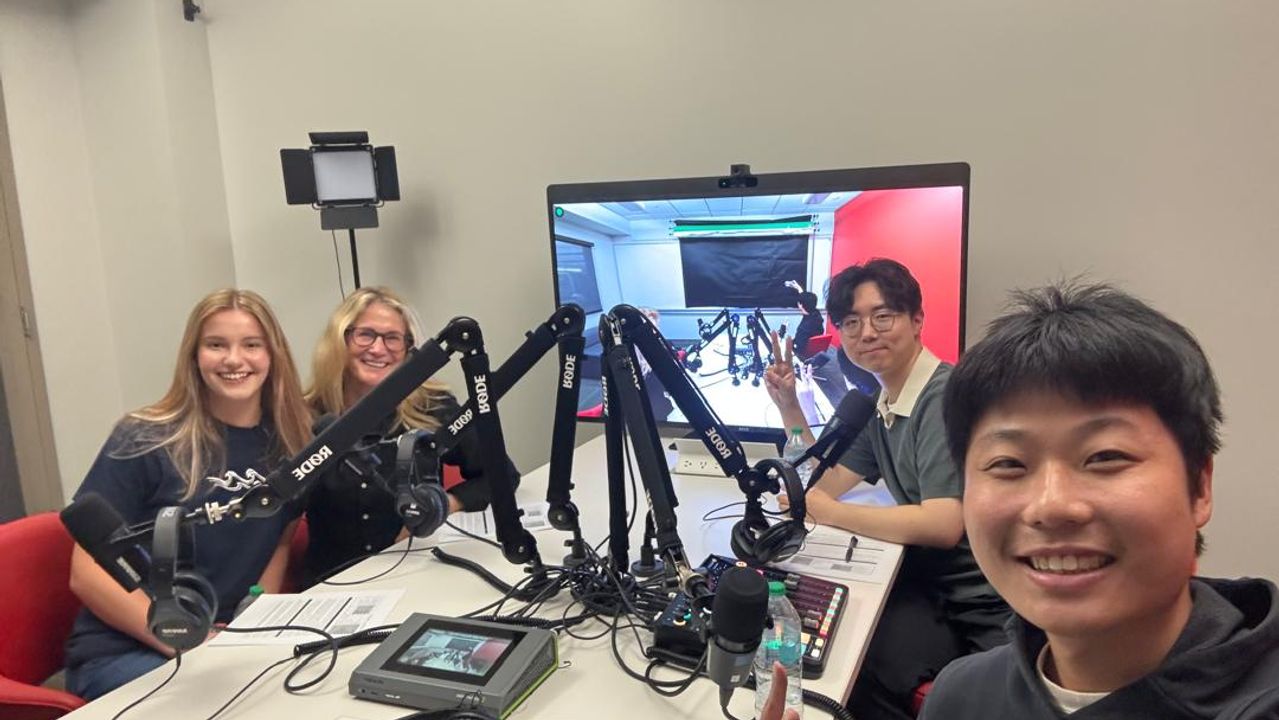
You are still you.
Katie VanArnam, Casey GlazerCourage Tees
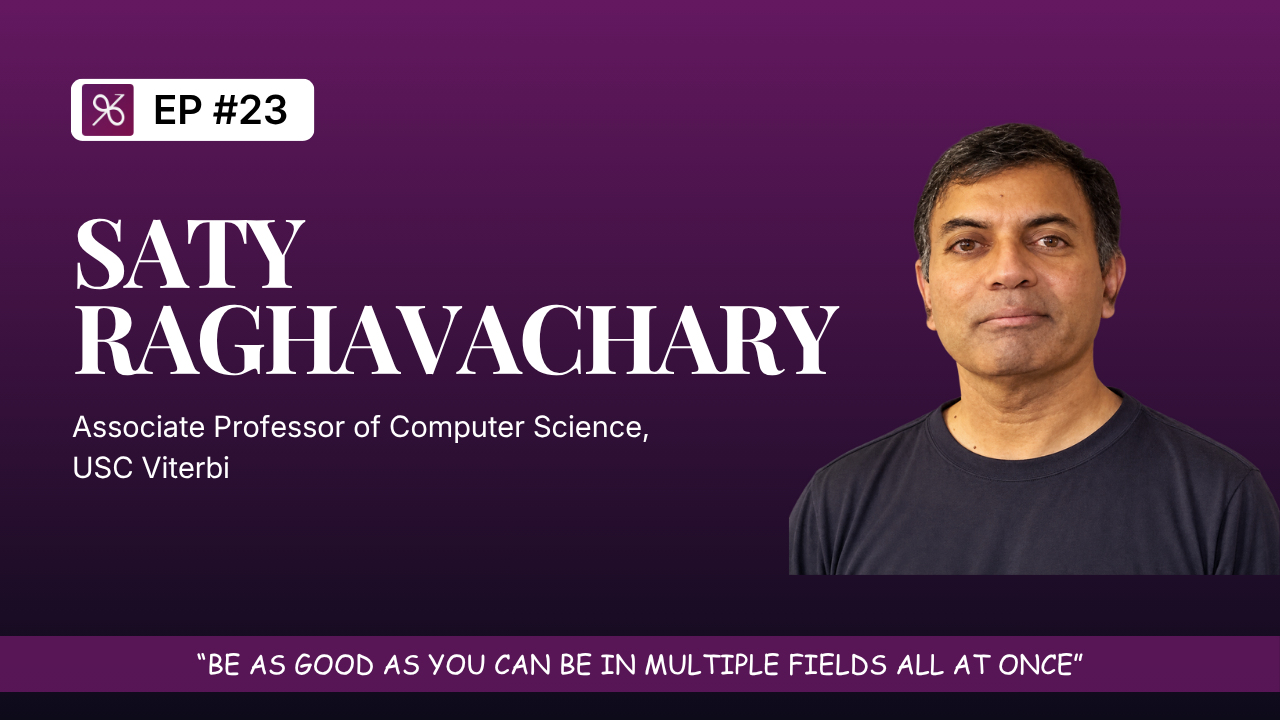
Could intelligence be alive?
Saty RaghavacharyAssociate Professor of Computer Science, USC Viterbi
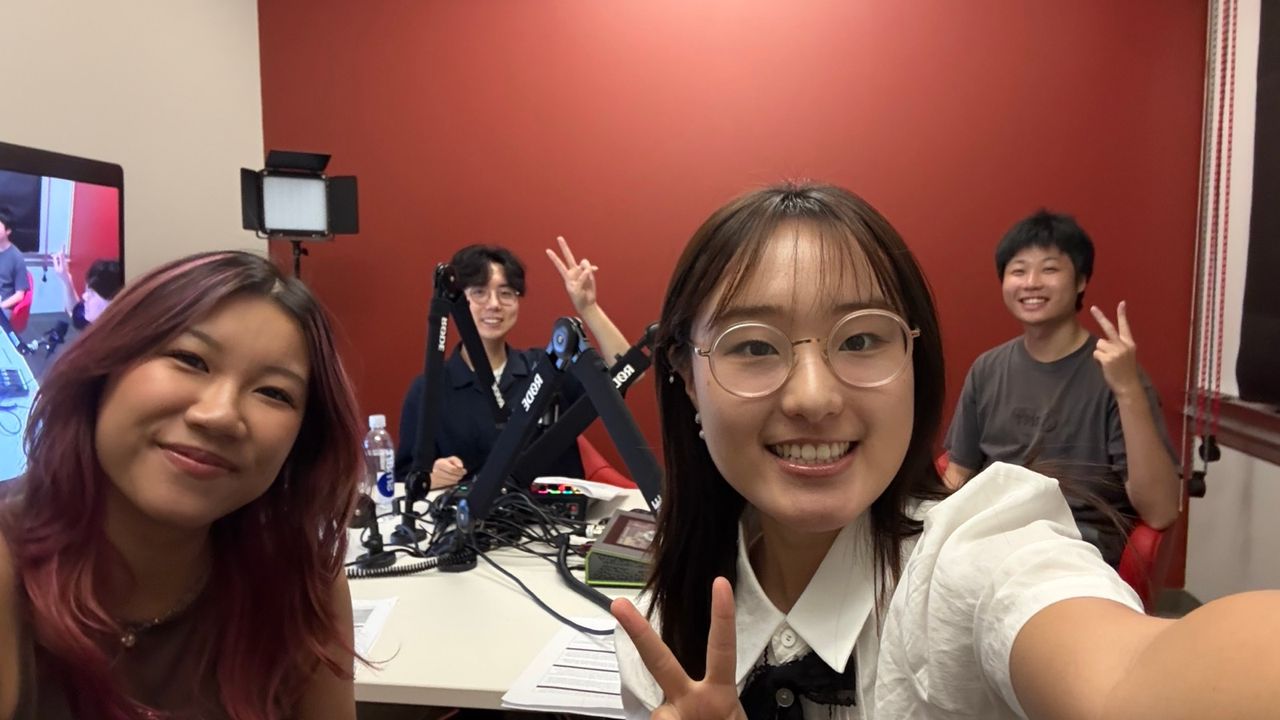
Make room for a little play.
Kayla Trinh, Rila HeProject Play